


What is RCTA on Toyota

RCTA meaning
Modern cars are coming out with all sorts of new safety features. There’s adaptive cruise control, backup cameras, forward collision warning, and now: RCTA. But when you put a big acronym on a feature, it’s not always clear what it does or why you might want to use it. We’re here to pull back the curtain on this less-than-clear safety feature and put the control in your hands regarding when to activate it or let it guide you.
RTCA: Rear Cross Traffic Alert
What is RTCA? RTCA on a Toyota stands for Rear Cross Traffic Alert. When you are backing up, it alerts you if someone is about to drive behind your vehicle. It is one of several Advanced Driver Assistance Systems (ADAS) designed to keep you safe under specific conditions.
The Purpose of RCTA
RTCA was designed to help you avoid parking lot collisions. 20% of car accidents happen in parking lots when vehicles are trying to maneuver in tight rows with poor visibility down the parking lanes. One of the biggest risks is that someone will drive behind you while you’re trying to back out of a parking space. Even with a good rearview camera, you can’t always see around the corner.
How RTCA Works
Your RTCA works using radar sensors located on the left and right sides of the rear bumper, giving it a wider range of detection than your rear camera, which gives you a clear view straight back. This is different from parking sensors which detect lines and curbs.
When the RTCA activates, it will beep, display an alert on the center console, and flash an indicator light on the side mirrors any time you are backing up at speeds up to 5 mph and when another vehicle is approaching at speeds between 5 and 18 mph.
When To Use RCTA
RCTA is useful when you are backing up with poor visibility. It was designed to protect you in busy locations such as parking lots or busy residential streets with frequent cross traffic. It can protect you from surprise collisions when you are unable to see if cross traffic might put you at risk while backing up your vehicle.
How To Turn Off and on RCTA
RTCA turns on automatically each time you turn on your vehicle. However, you can turn it off with each trip by changing your display settings. Use the following process to temporarily turn off your RCTA for each trip.
- Locate the arrow buttons on the left side of your steering wheel.
- Press the right and left buttons ( < and > ) at the same time to access the settings.
- Use the up and down buttons ( ^ or v ) to scroll through your options.
- Select RCTA and press the “OK” button
This will turn off RCTA and can also be used to turn it back on. However, it will be reenabled the next time you turn the car on.
Schedule Your Toyota Service
RCTA is one of many new safety features now available in the latest Toyota models. Whether you enjoy the protection provided by Rear Cross Traffic Alerts or you’d rather rely on your rear camera and personal awareness, it’s important to stay safe in parking lots and when backing out of driveways on busy roads.
Visalia Toyota can help you stay safe on the road with routine, preventative, and responsive maintenance services. Whether you are looking to learn more about your Toyota, need to schedule your regular maintenance check-up, or have an issue you are concerned about, we are here to help. Contact us today to schedule your next Toyota service appointment or view our new and used Toyotas here.
FAQ
What is RCTA meaning on a Toyota?
RCTA stands for Rear Cross Traffic Alert, a safety feature that warns you when a vehicle is about to pass behind your car while you’re backing up.
What is the purpose of RCTA?
RCTA helps prevent parking lot collisions by alerting you to cross traffic you can’t see when reversing out of a space.
How does RCTA work?
It uses radar sensors in the rear bumper to detect approaching vehicles. If a vehicle is coming, the system beeps, displays an alert on the console, and flashes indicator lights on the side mirrors.
When is RCTA most useful?
It’s ideal in parking lots, tight areas, or any situation where visibility is limited while backing up.
Can I turn RCTA off?
Yes. You can temporarily disable it in your vehicle’s settings using the steering-wheel buttons, but it will automatically turn back on the next time you start your Toyota.
Image Source: Your Hand Please/Shutterstock
How Long do Toyota Camrys Last
Toyota Camrys are the single most popular model of Toyota. They are versatile, durable, and a joy to drive. Whether you’re considering buying a new or used Camry or you have a Camry you currently love, you may be wondering how long Toyota Camry lasts in terms of years and mileage.
Toyota Camry Lifespan: Years and Mileage
Toyota Camry can be expected to last over 200,000 miles, and many Camry owners report that their vehicles continued to provide reliable performance up to 300,000 miles and beyond. For an average commute, this represents 12-15 years lifespan. It’s no surprise that Camrys are still best-sellers with every new year release, both new and used models.
How To Make a Camry Last Longer
The key to getting the most out of your Camry is attentive care over years of reliable performance. If you want your Camry to reach its maximum lifespan, treat it lightly and don’t allow maintenance issues to go untended. As your Camry gets older, be sure to pay closer attention to issues of wear and tear and the need for parts replacement.
Schedule Regular Maintenance
Start by bringing your Camry in for maintenance inspections and service at least once a year. It is recommended to get an oil change approximately twice a year (every six months) or every 6,000 miles depending on your driving habits. Regular inspections, fluid replacement, and preventative care can keep your Camry running smoothly for over a decade of reliable performance.
Conduct Repairs Promptly
When your Camry needs repairs, don’t put it off. Schedule repairs promptly and choose OEM parts when replacement is necessary. This ensures that any issues that develop do not become worse. Reducing the time when your car needs service can extend its lifespan.
Light Driving
Careful driving can reduce the overall wear and tear on your Camry. Accelerate and stop gently, take turns smoothly, and avoid curb scrapes and rough roads.
Keep Track of Your Miles
Remember the age of your Camry. Newer cars benefit from regular checkups but need less overall maintenance. Older vehicles represent cumulative wear-and-tear of each part and will need an increasing amount of maintenance and repairs over time.
What Leads to a Shorter Life Span
It can also help to understand the actions that might shorten the lifespan of your Toyota Camry.
Hard Driving
Rough driving is a well-known problem if you want to get the most miles from any vehicle. Hard braking, hard turns, small accidents, and rough roads all increase the wear-and-tear on multiple systems, including your brakes, transmission, suspension, and engine.
Going Years Without Maintenance
Where regular maintenance can help extend your Camry’s lifespan, neglecting maintenance can shorten it. Going without oil changes and filter changes and allowing repairs to go unfixed can result in cascading problems and damage to your vehicular systems.
Using Non-OEM Parts for Repairs
Lastly, even conducting the wrong repairs can put your Camry at risk. Using non-OEM parts may not be fully compatible with your Camry and cause unforeseen maintenance problems.
Schedule Your Toyota Camry Service
Whether you are considering buying a Toyota Camry or you are planning to enjoy your current Camry for many years of great performance, Visalia Toyota is here to help your Camry reach its maximum lifespan in top condition. Build a schedule of routine maintenance and schedule regular Toyota Camry service appointments to ensure preventative maintenance. Don’t hesitate to reach out, as well, if your Camry shows signs of needing repairs, from strange noises to warning lights on the dash.
Your Camry can serve you for over a decade and can potentially reach up to 300,000 miles. Schedule your service appointment today or view our new and used Toyotas here.
Find the VSC Button on Your Toyota
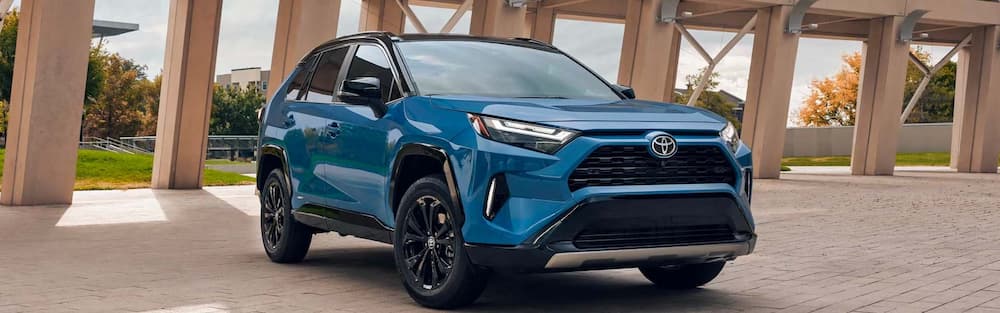
When ensuring safety and stability while driving a Toyota vehicle, learning the functionality of the Vehicle Stability Control (VSC) system is pivotal. One common question that Toyota owners often have is: “Where is the VSC button in a Toyota?” Explore the location of the VSC button and discover the purpose and benefits of VSC in Toyota vehicles, along with when to use it and how to turn it on and off. It will all help you optimize your driving experience.
Where Is the VSC Button Located in a Toyota Vehicle?
The VSC button in Toyota vehicles is generally located on the dashboard, towards the driver’s side. You’ll commonly find it close to other controls like the ASL (Automatic Speed Limiter) or cruise control buttons. However, the exact placement can vary slightly from model to model.
For instance, in many Toyota Camry and Toyota 4Runner models, the VSC button can be found on the left side of the dashboard, near the steering wheel. Meanwhile, the Toyota Sienna features its VSC button near the gear shift.
If you can’t find a dedicated VSC button, your Toyota model might feature system integration where the VSC cannot be manually turned off and is always active. If you’re still having difficulty locating the VSC button, a glance at your vehicle’s user manual or a Google search specifying your model will help you find it.
Purpose and Benefits of VSC
VSC, or Vehicle Stability Control, is a system that enhances vehicle safety by automatically adjusting engine output and applying brake force independently to each wheel in response to detected wheel slip. It is designed to help the driver maintain control of the vehicle during adverse driving conditions, such as when it is driven aggressively or when the road surface is slippery.
For example, if you’re driving in the rain or on a gravel road, the VSC automatically senses when the vehicle is not responding accurately to steering input. It steps into action by applying brake force to the appropriate wheel or wheels. This can help prevent the vehicle’s rear end from sliding out during a turn or the vehicle’s front from sliding forward in a panic stop.
When to Use VSC
VSC is designed to be used in all driving conditions, whether normal city driving, highway cruising, or driving on slippery roads. The system constantly monitors the vehicle’s stability and grip and steps in to provide maximum control and safety whenever it detects a potential loss of traction. However, there might be situations like driving on a racetrack or in specific off-road conditions, where the driver may want to deactivate the system for more manual control over the vehicle’s handling.
How to Turn On and Off VSC in a Toyota Vehicle
Turning on and off the VSC in a Toyota vehicle is just as easy as finding where the VSC button is. To activate or deactivate the system, press the VSC button for a few seconds until you see the ‘VSC OFF’ indicator light on your dashboard. In most models, this should turn off the system. To reactivate VSC, perform the same action. Press and hold the VSC button until the ‘VSC OFF’ light goes out on your dashboard.
Explore Toyota Models at Toyota of Visalia
Navigating the ins and outs of the VSC system in your Toyota vehicle ensures you’re making the most of this advanced safety feature. By understanding the location and operation of the VSC button, you can enhance your vehicle’s stability and safety on the road. We encourage all Toyota drivers to consider using VSC in their day-to-day driving for a safer and more secure drive.
Should you have any more questions about the VSC system or if you’d like to explore our latest Toyota models, the team at Visalia Toyota is always here to help. We are located at 922 S Ben Maddox Way, Visalia, CA, 93292-3645, or you can reach us at 559-409-7178. Contact us today to schedule your next Toyota service appointment or view our new and used Toyotas here.
FAQ
Where is the VSC button on a Toyota?
The VSC button is usually located on the dashboard near the driver’s side, often close to controls like cruise control or the ASL button. Placement varies by model, many Camry and 4Runner models have it to the left of the steering wheel, while the Sienna places it near the gear shift.
What if my Toyota doesn’t have a VSC button?
Some Toyota models integrate VSC into the system automatically, meaning it cannot be manually turned off. In these cases, VSC is always active.
What does the VSC system do?
VSC (Vehicle Stability Control) improves safety by adjusting engine power and applying brake force to individual wheels when it senses wheel slip, helping you maintain control in rain, gravel, or other unstable conditions.
When should I use VSC?
VSC is designed for everyday driving, city, highway, and slippery roads. The only time you may turn it off is during specialized driving situations such as track driving or certain off-road conditions where more manual control is needed.
How do I turn VSC on or off?
Press and hold the VSC button for a few seconds until the “VSC OFF” light appears on the dashboard to disable the system. Press and hold again to reactivate it.
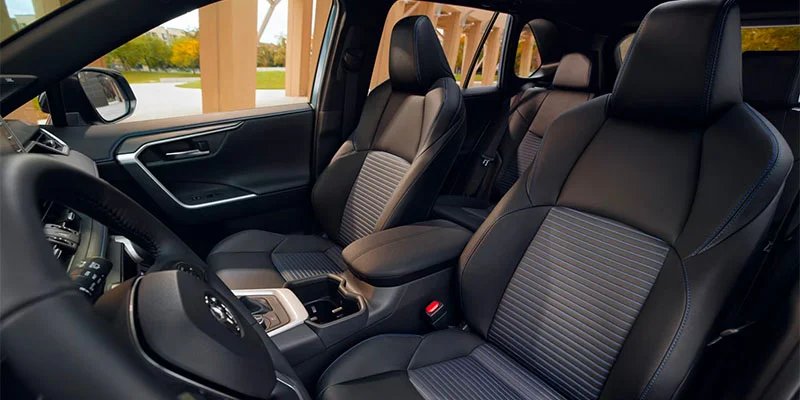
When it comes to choosing a reliable SUV, the Honda CR-V and Toyota RAV4 are two popular options that often come to mind. Comparing their reliability can help potential Toyota RAV4 owners make an informed decision.
Reliability Ratings
Determining the reliability of the Honda CR-V and Toyota RAV4 requires an assessment from a reliable source. Consumer Reports is a trusted organization that provides ratings for vehicles based on various factors, including reliability. Their in-depth evaluation of these two vehicles provides a more precise comparison.
Consumer Reports Reliability Ratings for Honda CR-V
The Honda CR-V has consistently received high-reliability ratings from Consumer Reports. The latest models have scored above average in most categories, including engine performance, transmission, and body integrity. The overall reliability verdict for the Honda CR-V has often been above average, showing that it is a trustworthy option for those who value dependability.
Consumer Reports Reliability Ratings for Toyota RAV4
In contrast, the Toyota RAV4 tends to outshine even the steady performance of the Honda CR-V when it comes to reliability. Consumer Reports has given the RAV4 top-notch reliability ratings in recent years, frequently earning the model an ‘excellent’ verdict overall. The RAV4 has proven particularly laudable in categories like engine performance and fuel efficiency.
Common Issues
Owners of the Honda CR-V and Toyota RAV4 report some issues more often than others, and these problems offer real-world insight into problems that may arise during ownership.
Known Reliability Issues for Honda CR-V
Despite the high-reliability ratings, the Honda CR-V has some challenges. Some owners have reported issues related to the engine, such as excessive oil consumption, which can lead to premature wear and even engine failure in extreme cases. The infotainment system is also a common source of complaint, with occasional reports of freezing or other functionality issues. Like any vehicle, the Honda CR-V may have its quirks, but its widespread reputation for reliability and generous warranty coverage can offer peace of mind to potential buyers.
Known Reliability Issues for Toyota RAV4
Similarly, the Toyota RAV4 has a few reported issues despite its ‘excellent’ reliability verdict from Consumer Reports. Some of these include problems with the transmission, such as unexpected stalling or rough shifting. Additionally, the infotainment system in some models may occasionally freeze or reboot unexpectedly. Despite these issues, Toyota’s extensive warranty coverage and customer service team resolve these problems as seamlessly as possible.
Performance Comparison
It is also essential to examine each vehicle’s performance, particularly its engine, transmission, and fuel efficiency.
Engine and Transmission Performance
The Honda CR-V features a 1.5-liter turbo four-cylinder engine and a continuously variable transmission, delivering a smooth and fuel-efficient ride. However, some owners have noted a lag in throttle response, which can sometimes affect its overall performance.
On the other hand, the Toyota RAV4 boasts a 2.5-liter four-cylinder engine and an eight-speed automatic transmission, offering a robust and responsive drive. The RAV4’s engine and transmission combination provide a quick, smooth, and efficient performance.
Fuel Efficiency
The Honda CR-V has an estimated 28 city/ 34 highway mpg, making it a competitive choice for those looking for better fuel economy.
The Toyota RAV4 offers an estimated 27 city/ 35 highway mpg, closely matching the CR-V. However, the RAV4 stands out with its hybrid model, which boasts an impressive estimated 41 city/ 38 highway mpg, providing a significantly more fuel-efficient option for eco-conscious drivers.
The Best Make and Model Recommendations
The complex task of determining which is more reliable, the Honda CR-V or the Toyota RAV4, boils down to personal preference and what matters most to an individual.
For more information about the Toyota RAV4 or to schedule a test drive, please contact Visalia Toyota at 559-409-7178 or visit them at 922 S Ben Maddox Way, Visalia, CA 93292-3645. Comparing these vehicles firsthand can be a valuable step in making the best decision for your automotive needs. Visit our website for more information or contact us today to schedule your next Toyota service appointment or view our new and used Toyotas here.
FAQ
Which is more reliable, the Honda CR-V or Toyota RAV4?
Consumer Reports rates the Toyota RAV4 as more reliable, often giving it an “excellent” score. The CR-V typically rates above average.
What issues does the Honda CR-V commonly have?
Some owners report excessive oil consumption and occasional infotainment problems.
What issues does the Toyota RAV4 commonly have?
Some RAV4 models experience rough shifting or stalling and occasional infotainment freezing.
How do performance and fuel economy compare?
The CR-V offers smooth performance with strong fuel economy. The RAV4 delivers a more responsive drive and offers a hybrid option with 41/38 mpg, making it the more efficient choice.
How Much Weight can a Toyota Tacoma Pull
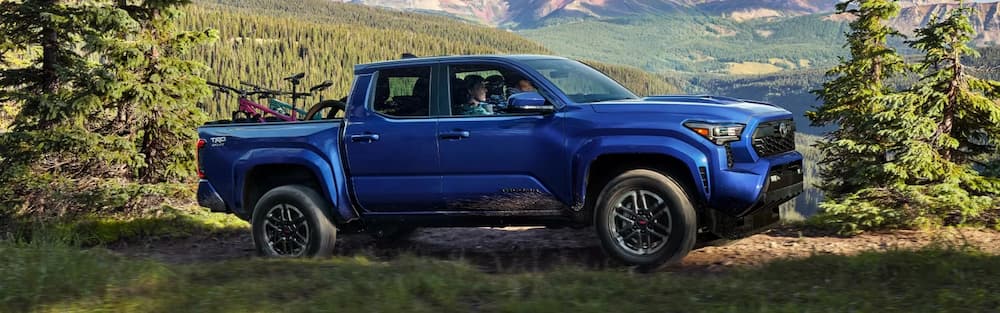
The Toyota Tacoma is a time-tested truck with plenty of esteem to its name. It’s great for many things, towing being one of them. How much can the Tacoma tow, though? If you’re looking to purchase one of these trucks or are worried about stress testing the one you already own, here’s a rundown on the Toyota Tacoma’s towing capacity by model, plus some useful tips for safe towing.
Towing Capacity of Toyota Tacoma Models
Towing capacity is a big factor when purchasing a truck, including the Toyota Tacoma. Each model of the Tacoma has different towing capacities, so you may want to opt for one over the other based on your expected usage. Some of the most common Tacoma models you may wish to buy include:
Toyota Tacoma SR
The base model of the Toyota Tacoma lineup, the SR, has a maximum towing capacity of 3,500 lbs, making it suitable for towing small trailers, boats, or a couple of jet skis. While the maximum towing capacity is 3,500 lbs, towing slightly less is recommended to avoid straining the engine and transmission. A recommended trailer weight would be around 3,000 lbs to ensure safe and efficient towing.
Toyota Tacoma SR5
Moving to the next level, the Toyota Tacoma SR5 has the same maximum towing capacity as the SR, 3,500 lbs. Like the SR, the SR5 should shoot for a trailer weight under the maximum capacity to stay in good shape.
Toyota Tacoma TRD Sport
For those needing more power, the Toyota Tacoma TRD Sport offers a maximum towing capacity of 6,500 lbs, ideal for larger trailers or medium-sized boats. To ensure a safe ride with this model, aim for a trailer weight of approximately 6,000 lbs.
Toyota Tacoma Limited
Sitting at the top of the range, the Toyota Tacoma Limited can haul up to a whopping 6,800 lbs, making it perfect for towing larger boats, caravans, or horseboxes. While the maximum towing is quite impressive, the recommended trailer weight is around 6,200 lbs, guaranteeing a balance between power and towing safety.
Factors Affecting Towing Capacity
Towing capacity isn’t exclusive to the model of Tacoma you pick; other factors affect how much your truck can haul. Your engine’s power is a big factor. Some Tacoma models have a 2.7-liter engine, while others boast a beefier 3.5-liter V6. With more horsepower and torque, the latter offers a higher towing capacity.
Additionally, Tacomas come with either automatic or manual transmissions. Generally, automatic transmissions fare better when towing. A Tacoma with a 4WD drivetrain can tow more weight than a 2WD model, thanks to better traction and power distribution.
Toyota Tacoma can also be equipped with a towing package, which includes a hitch receiver, engine oil cooler, transmission fluid cooler, and a heavy-duty battery. These additions all enhance towing abilities.
Tips for Safe Hauling With Toyota Tacoma
You’ll want to do a few simple things to stay safe whenever you haul something in your truck. Never exceed your Tacoma’s towing capacity, and try to keep the weight below maximum capacity by about 10 to 15 percent. Using the right trailer hitch also helps ensure a secure connection to your Tacoma. A brake controller lets you control trailer brakes, making it especially useful for heavier loads.
Distribution influences handling and stability while towing. Ensure the weight is evenly spread and firmly secured to avoid shifting loads. Also, be aware that various states have different towing laws, so familiarize yourself with these to avoid penalties.
Visalia Toyota’s Towing Assistance
To make towing easier, Visalia Toyota offers plenty of things for your Tacoma to use. From trailer hitches to towing mirrors, there’s a host of accessories to help optimize your Tacoma’s towing capabilities. Our expert technicians can provide guidance on towing best practices with your Toyota Tacoma so you’re ready to haul right off the lot.
Tow Safely and Effectively With a Toyota Tacoma
The Toyota Tacoma boasts impressive towing capabilities, whether the SR’s 3,500 lbs or the Limited’s 6,800 lbs. By keeping in mind the maximum capacities of each model and the tips we went over for safe towing, you’ll be ready to take your truck anywhere and tow anything with you while you’re at it.
If you need further information or assistance with towing using your Toyota Tacoma, don’t hesitate to contact Visalia Toyota. Call 559-627-4777, drop by our office at 922 S Ben Maddox Way, or visit our website to view new and used Toyota’s today.
FAQ
How much can a Toyota Tacoma tow?
SR & SR5: 3,500 lbs; TRD Sport: 6,500 lbs; Limited: 6,800 lbs.
What affects towing capacity?
Engine, transmission, drivetrain, and towing packages.
How do I tow safely?
Stay under max capacity, use the correct hitch, secure and evenly distribute the load, and consider a brake controller.
Are towing accessories available?
Yes. Visalia Toyota offers hitches, mirrors, and expert towing guidance.
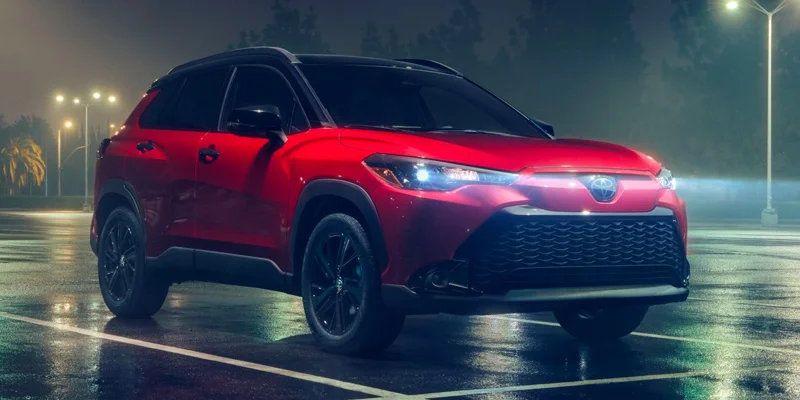
The Toyota Corolla has long been known for its reliability. If you’re considering purchasing a new or used Corolla, you may be wondering about the actual numbers involved. How long can you expect your new Corolla to get you where you’re going? Let’s examine that question.
Average Amount Of Miles A Toyota Corolla Goes
The average lifespan of a Corolla can easily exceed 200,000 miles with proper maintenance. Some Corolla owners have managed to get 300,000 miles out of their vehicles. Toyota works hard to build high-quality, dependable cars that have minimal chance of mechanical failures compared to some other brands. The Corolla is also a highly popular, and long-lived vehicle, so mechanics have widespread knowledge about it and any quirks it may have, which helps extend the lifespan of the model.
How To Get The Most Time Out Of Your Toyota Corolla
Even the most well-built vehicle won’t last long if you drive it after the oil has turned to sludge and all the coolant has leaked out. Regular maintenance is an important part of getting the long life out of a Corolla that they’re capable of.
Regular Oil Changes
Your car’s oil lubricates the engine’s moving parts and helps prevent excessive wear. Without oil changes every 5,000 to 7,500 miles, the oil can’t protect your engine, and excessive wear will begin to take its toll, reducing your Corolla’s lifespan.
Tire Maintenance
Your tires should also be rotated every 5,000 to 7,500 miles. This will help to prevent uneven wear and extend the life of the tires. Additionally, you should also regularly check that your tires are properly inflated. Performing these steps will extend the life of both your tires and your suspension.
Routine Inspections
Regular inspections by qualified mechanics will catch the type of small issues that can impact any vehicle. This gives you a chance to correct them before they become the type of major issue that might require you to replace the car or spend large amounts of money on repairs.
Driving Habits
The way you drive your car can also significantly impact its longevity. Aggressive behavior such as rapid acceleration, hard braking, and sharp turns at high speeds all put extra wear and tear on the vehicle and will reduce its lifespan.
What To Avoid To Make Sure Your Toyota Corolla Lasts
We’ve seen what you should do to keep your Corolla running for as long as possible. Now let’s look at some things you shouldn’t do. These actions can severely impact your car’s lifespan.
- Ignore Warning Lights: Your Corolla has several warning lights that alert you to potential problems. Ignoring these will only make those issues worse.
- Using Low-Quality Parts or Fluids: Not all auto supplies are created equal. If you put cheap parts or fluids into your Corolla, they might not offer the same level of protection as higher-quality products, reducing its lifespan.
- Overloading the Vehicle: Every vehicle has a weight limit. Carrying cargo that exceeds this limit will put an unwelcome strain on the engine, suspension, tire, and brakes. If you routinely overload your Corolla, you’ll reduce its lifespan.
- Driving in Extreme Conditions: Driving in extreme heat or cold or taking your Corolla over rough terrain might not always be avoidable, but it can reduce the car’s lifespan. If you live in an area that requires frequent driving in extreme conditions, an accelerated maintenance schedule can help offset the negative impact.
Stop In Today To Check Out Our Inventory Of New And Used Vehicles
If you’re in the market for a new or used Corolla, you can be sure that, given proper maintenance, you’ll be purchasing a car that will last a long time. Stop into Visalia Toyota today to see our selection of Corollas or contact us now. After your purchase, our service center can help extend the life of your new car by handling regular maintenance for you. Contact us today to schedule your next Toyota service appointment or view our new and used Toyotas here.
FAQ
How long do Toyota Corollas last on average?
With proper maintenance, a Toyota Corolla can easily surpass 200,000 miles, and many owners report their Corollas reaching 300,000 miles.
What helps a Toyota Corolla last longer?
Regular oil changes, routine tire rotations, proper tire inflation, scheduled inspections, and good driving habits all contribute to extending a Corolla’s lifespan.
What driving habits can reduce a Corolla’s longevity?
Aggressive actions like hard braking, rapid acceleration, and sharp high-speed turns add unnecessary wear and shorten the vehicle’s lifespan.
What should I avoid to make my Corolla last?
Avoid ignoring warning lights, using low-quality parts or fluids, overloading the vehicle, and frequently driving in extreme conditions without adjusting your maintenance schedule.
Can extreme weather affect how long a Corolla lasts?
Yes. Regular driving in extreme heat, cold, or rough terrain can reduce the vehicle’s lifespan unless you follow a more frequent maintenance routine.
How to Reset the Toyota Camry Maintenance Light

Like every vehicle, your Toyota Camry requires regular maintenance to keep it operating at its best. To help with this, a maintenance light will appear on the dashboard to remind you when work is needed. However, the light can become an unwelcome distraction.
At Visalia Toyota, we’re here to make vehicle ownership simple and stress-free, whether you need help resetting your maintenance light or keeping up with regular service. And if you’re in the market for a new or used Toyota, our dealership offers a wide selection of quality vehicles to choose from. Stop by anytime to explore our inventory and find the Toyota that fits your lifestyle.
How Do I Turn off the Maintenance Required Light?
If you’ve had your maintenance performed at the light hasn’t gone out, or if you want to turn it off while you await a maintenance appointment, follow the steps below for a key start Camry:
- Put your key in the ignition and turn it to the ON position. This is the one right before the engine starts.
- Push and hold the odometer button on your dashboard. While holding it, move the key back to the OFF position.
- Hold the odometer button until the maintenance light flashes, and you hear a beeping sound. This should take about 10 seconds.
- When the light goes off, you can release the odometer button and start the car. The light should remain off.
For a newer, push-start model, the steps are similar:
- Push the ENGINE START/STOP buttons twice without pressing the brake pedal.
- Push and hold the odometer button. While holding, press the ENGINE START/STOP button again.
- Hold the odometer button until the maintenance light beeps and goes off. This can take up to 10 seconds.
- When the light goes off, start the car to confirm that it remains off.
What Are The Different Kinds Of Maintenance Lights?
Although there’s a dedicated Maintenance Required light, there are also several other maintenance-related lights that may come on in your Camry:
- Maintenance Required Light: This is a reminder for scheduled maintenance, such oil changes, tire rotations, or other routine maintenance.
- Check Engine Light: This light indicates that there’s a potential problem with the engine or related components that need to be checked.
- Oil Pressure Warning Light: When the oil pressure in your Camry drops, it can lead to engine damage. This light comes on to alert you when that happens.
- Battery Warning Light: This light alerts you to an issue with the battery, the alternator, or some other aspect of the charging system.
Should I Take It To Toyota As Soon As A Maintenance Light Comes On?
Each of these four lights has a different level of urgency associated with it. The Maintenance Required light doesn’t indicate an immediate concern; it just alerts you that it’s time to have your scheduled maintenance performed. Although you should make the time when you can, there’s less urgency with this light.
The Check Engine light is slightly more urgent. You should have it checked as soon as possible. While it could be something minor, it could also indicate a more serious issue that will get worse if you ignore it for too long.
The other two lights, Oil Pressure Warning and Battery Warning, require immediate attention. Without addressing these issues, you could find yourself stranded from a dead battery or facing expensive repairs for severe engine damage.
What Can Happen If You Do Not Take Care Of A Maintenance Light?
The consequences of ignoring a maintenance light also depend on the light in question. If you don’t get your regular maintenance performed, you can expect decreased performance and a reduced lifespan for your Camry. Ignoring the Check Engine or Oil Pressure Warning lights could result in severe engine damage. The Battery Warning light won’t result in severe damage but could leave you stranded and unable to start your car.
Stop In Today To Check Out Our Inventory Of New And Used Vehicles
If you’re in the market for a new or used Camry, our lot has a nice selection. Contact us today to see what we have in stock. If you already have a Camry that needs service because of a warning light, we’ll be glad to help with that as well.
Image Source: Thx4Stock team/Shutterstock
What Is BSM On Toyota
BSM Toyota Meaning
Since the Model T hit the streets, technology has improved automobile safety in a number of significant ways. Many of today’s Toyota vehicles come with advanced safety features that improve driver awareness and help prevent crashes. That technology is the Blind Spot Monitor (BSM). In this post, we’ll learn all about this helpful safety feature.
What Does BSM Mean on a Toyota
The Purpose Of BSM
The main purpose of the BSM system is to give drivers more information about their surroundings. Every driver is aware of the limitations of mirrors alone; large areas around the car aren’t easily visible. This can be a particularly big problem when changing lanes or merging. The BSM uses sensors to detect when vehicles are in these blind spots and alert the driver.
When To Use BSM
The alerts provided by the BSM typically appear as light on the mirrors, alerting you to when there’s something on that side of the car that might not be visible in the mirror. Here are a few situations where it’s helpful to actively look for those lights when making sure the road is clear:
Lane Changes
Even if you look over your shoulder before changing lanes, it’s possible for there to be another vehicle beside you that’s obscured by a blind spot. The BSM will give you added peace of mind that the path is clear.
Merging onto Highways
Trying to merge onto a busy highway can be stressful, as you have limited time to get over. A seemingly endless stream of cars coming from behind you as the lane runs out in front of you can be made more manageable with blind spot monitoring.
Heavy Traffic
On a busy interstate or any large roadway, vehicles frequently move in and out of your blind spots rapidly. Your path may be clear one second, only to have a driver move their car into it the next. BSM makes it easier to track these movements while remaining focused on the road in front of you.
Driving in Urban Areas
On large highways, the other cars zigging and zagging throughout traffic are a major concern. On busy urban streets, you’ll find yourself maneuvering from lane to lane so you can make the turns you need to make to reach your destination. BSM gives you added awareness to do so safely.
How To Turn BSM Off And On
Sometimes, even the best safety features may become more of an annoyance than a benefit. For example, if you’re towing a trailer and find the extra length causes false positives from your blind spot monitor, you may want to turn it off.
Depending on your particular Toyota model, there may be a physical button on the center console to turn off BSM. If there’s no dedicated button, you can turn off BSM through the infotainment system. To do so, follow the instructions below:
- Access the vehicle’s settings in the infotainment system.
- Look for the section dedicated to safety or driver assistance.
- Toggle the BSM on or off from the options in that section.
- Some vehicles may ask you to confirm the selection before making the change.
Come In Today To Check Out Our Inventory Of New And Used Vehicles
If you want to see Toyota’s blind spot monitoring feature in action, come down to Visalia Toyota today and browse our stock of new and used Toyota vehicles. Once you find one you like, ask for a test drive and see for yourself how useful the BSM feature can be. Our friendly sales staff will help you with any questions you may have.
Frequently Asked Questions About Toyota BSM
What does BSM mean on a Toyota?
BSM stands for Blind Spot Monitor, a safety feature that uses sensors to detect vehicles in your blind spots and alerts you with lights on the mirrors. It helps make lane changes and merging safer.
What does the BSM light mean?
The BSM light indicates that a vehicle is in or approaching your blind spot. It’s a visual reminder to wait before changing lanes, especially useful in traffic or while merging.
How do I turn the BSM system on or off?
You can turn BSM off using a button on the dashboard or through your infotainment system’s safety settings. Visit Visalia Toyota if you’d like help adjusting your settings.
Is BSM standard on all Toyota models?
BSM comes standard on many Toyota models and trims, but not all. Contact Visalia Toyota or browse our inventory online to see which new and used Toyotas include this feature.
FAQ
What is BSM Toyota meaning?
BSM stands for Blind Spot Monitor. It uses sensors to detect vehicles in the areas you can’t easily see and alerts you with lights on the side mirrors.
What does the BSM light mean on a Toyota?
The BSM light illuminates when a vehicle is in or moving into your blind spot, reminding you to wait before changing lanes or merging.
When is BSM most helpful?
BSM is especially useful during lane changes, merging onto highways, driving in heavy traffic, and navigating busy urban streets where vehicles move in and out of blind spots quickly.
How do I turn BSM off or on?
Some Toyota models have a physical BSM button on the center console. Others allow you to toggle BSM on or off through the infotainment system under safety or driver-assistance settings.
Is BSM standard on all Toyota vehicles?
BSM is standard on many Toyota models but not every trim level. You can check specific availability by reviewing Visalia Toyota’s new and used inventory.
Connect with us


