

Blog

How Does the Toyota Hybrid System Work?

toyota hybrid system

The Toyota hybrid system works by combining a gasoline engine, an electric motor, and a hybrid battery to help the vehicle use energy more efficiently. Instead of relying solely on gas, a Toyota hybrid can use electric power during certain driving conditions, gasoline power when more power is needed, or both at the same time. The system manages this automatically, so drivers do not need to switch modes or charge a traditional hybrid from an outlet.

What Makes a Toyota Hybrid Different?

A traditional gas vehicle relies on the engine for nearly all of its driving power. A Toyota hybrid adds an electric motor and battery to support the engine and help reduce unnecessary fuel use. This is especially helpful during city driving, stop-and-go traffic, and short daily trips around Visalia.

The hybrid system is designed to feel natural from behind the wheel. When you press the accelerator, the vehicle determines how much electric power and gas power to use. That means you can enjoy familiar Toyota performance while gaining the added efficiency benefits of hybrid technology.

Drivers who are still comparing options can start with Visalia Toyota’s Electrified vehicles page to learn more about Toyota's hybrid, plug-in hybrid, and electric choices.

How the Toyota Hybrid System Works While You Drive

During low-speed driving, many Toyota hybrids can rely more heavily on electric power. This can help reduce fuel use when moving through parking lots, neighborhood streets, or slow traffic.

When you accelerate or merge onto the highway, the gasoline engine works with the electric motor to provide stronger power. Once you reach cruising speed, the system continues to balance gas and electric energy to maintain efficiency.

Toyota hybrids also use regenerative braking. When you slow down, the vehicle captures energy that would usually be lost as heat during braking. That energy helps recharge the hybrid battery while you drive. Because of this, traditional Toyota hybrids do not need to be plugged in.

Benefits of Choosing a Toyota Hybrid

A Toyota hybrid can be a smart fit for drivers who want better efficiency without changing their normal driving routine. The system is automatic, practical, and built for daily use.

Common benefits include:

• Fewer fuel stops during daily commuting
• Smooth acceleration from electric motor support
• Strong practicality for city and highway driving
• Familiar Toyota reliability and comfort
• More model choices across sedans, SUVs, and family vehicles

For many Visalia drivers, the biggest advantage is convenience. You can choose a hybrid model that fits your lifestyle without giving up the space, features, or capability you need.

Toyota Hybrid Models to Explore at Visalia Toyota

Toyota offers hybrid options across several popular model lines. The Toyota RAV4 Hybrid is a strong choice for drivers who want SUV versatility with added fuel efficiency. Families who need more room can explore the Toyota Highlander Hybrid, which offers three-row practicality with hybrid performance.

Drivers focused on maximum efficiency may want to consider the Toyota Prius, one of Toyota’s best-known hybrid models. Shoppers who prefer a comfortable sedan can also review the Toyota Camry Hybrid for a blend of everyday comfort and efficient performance.

Find the Right Toyota Hybrid in Visalia, CA

Understanding how the Toyota hybrid system works can make it easier to choose your next vehicle with confidence. Whether you want an efficient commuter, a family SUV, or a comfortable sedan, Visalia Toyota can help you compare hybrid options and find a model that fits your needs.To learn more or ask about current hybrid availability, contact us today.

Toyota Hybrid System FAQs

How does the Toyota hybrid system work?

The Toyota hybrid system works by combining a gasoline engine, an electric motor, and a hybrid battery to help the vehicle use energy more efficiently. The system can use electric power during certain driving conditions, gasoline power when more power is needed, or both at the same time. The system manages this automatically, so drivers do not need to switch modes.

Do Toyota hybrids need to be plugged in?

No. Traditional Toyota hybrids do not need to be plugged in. They use regenerative braking to capture energy that would usually be lost as heat during braking, which helps recharge the hybrid battery while you drive.

When does a Toyota hybrid use electric power vs. gas power?

During low-speed driving, many Toyota hybrids rely more heavily on electric power, such as in parking lots, neighborhood streets, or slow traffic. When you accelerate or merge onto the highway, the gasoline engine works with the electric motor to provide stronger power. At cruising speed, the system continues to balance both to maintain efficiency.

What are the benefits of choosing a Toyota hybrid?

Common benefits include fewer fuel stops during daily commuting, smooth acceleration from electric motor support, strong practicality for city and highway driving, familiar Toyota reliability and comfort, and more model choices across sedans, SUVs, and family vehicles.

What Toyota hybrid models are available?

Toyota offers hybrid options across several popular model lines, including the Toyota RAV4 Hybrid for SUV versatility, the Toyota Highlander Hybrid for three-row family practicality, the Toyota Prius for maximum efficiency, and the Toyota Camry Hybrid for comfortable sedan performance.


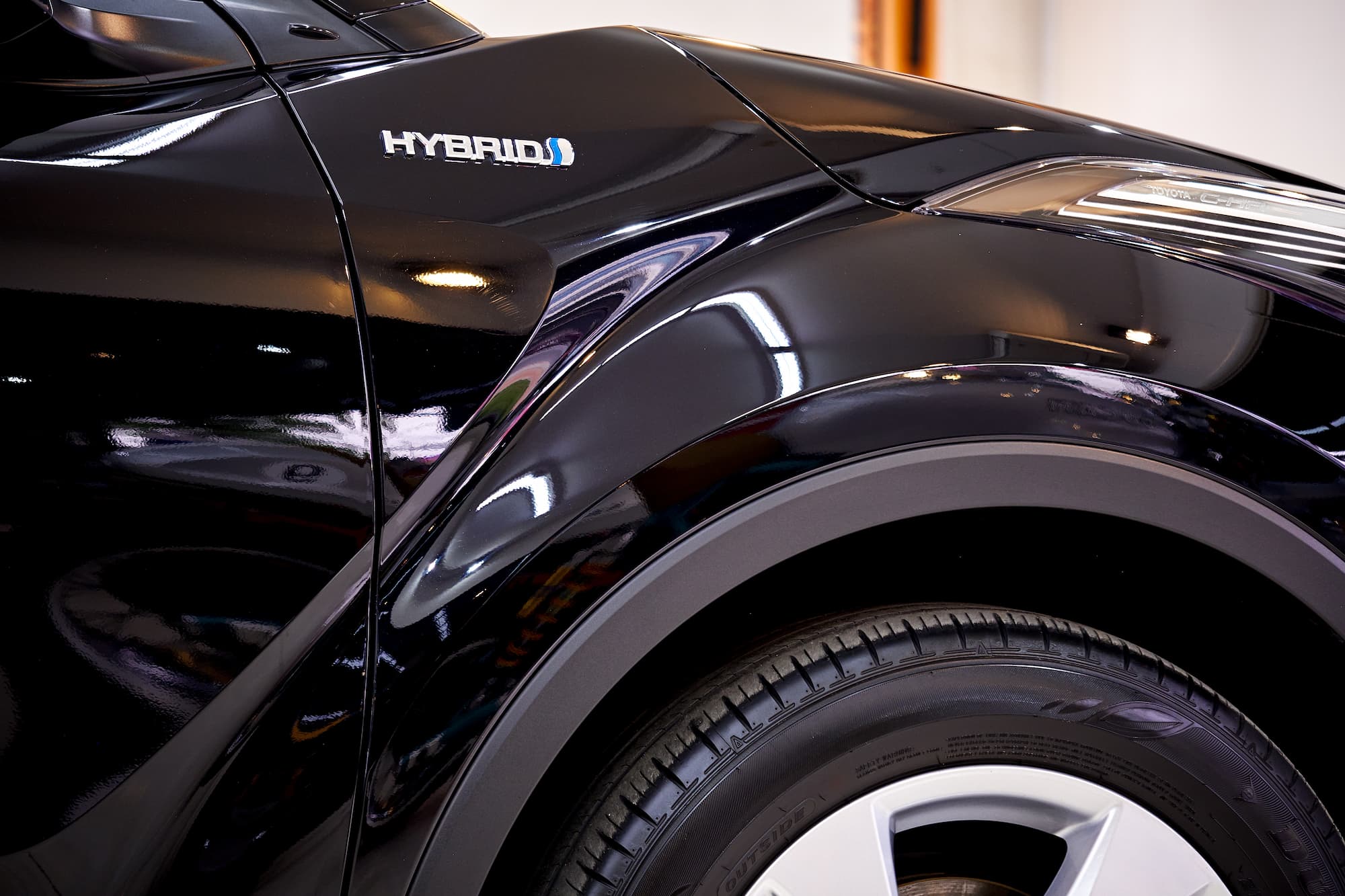
KULLAPONG PARCHERAT | Shutterstock 

Recommended Posts

rcta toyota

What is RCTA on Toyota

RCTA meaning Modern cars are coming out with all sorts of new safety features. There's adaptive cruise control, backup cameras, forward collision warning, and now: RCTA. But when you put a big acronym on a feature, it's not always clear what it does or why you might want to use it. We're here to pull back the curtain on this less-than-clear safety feature and put the control in your hands regarding when to activate it or let it guide you. RTCA: Rear Cross Traffic Alert What is RTCA? RTCA on a Toyota stands for Rear Cross Traffic Alert. When you are backing up, it alerts you if someone is about to drive behind your vehicle. It is one of several Advanced Driver Assistance Systems (ADAS) designed to keep you safe under specific conditions. The Purpose of RCTA RTCA was designed to help you avoid parking lot collisions. 20% of car accidents happen in parking lots when vehicles are trying to maneuver in tight rows with poor visibility down the parking lanes. One of the biggest risks is that someone will drive behind you while you're trying to back out of a parking space. Even with a good rearview camera, you can't always see around the corner. How RTCA Works Your RTCA works using radar sensors located on the left and right sides of the rear bumper, giving it a wider range of detection than your rear camera, which gives you a clear view straight back. This is different from parking sensors which detect lines and curbs. When the RTCA activates, it will beep, display an alert on the center console, and flash an indicator light on the side mirrors any time you are backing up at speeds up to 5 mph and when another vehicle is approaching at speeds between 5 and 18 mph. When To Use RCTA RCTA is useful when you are backing up with poor visibility. It was designed to protect you in busy locations such as parking lots or busy residential streets with frequent cross traffic. It can protect you from surprise collisions when you are unable to see if cross traffic might put you at risk while backing up your vehicle. How To Turn Off and on RCTA RTCA turns on automatically each time you turn on your vehicle. However, you can turn it off with each trip by changing your display settings. Use the following process to temporarily turn off your RCTA for each trip. Locate the arrow buttons on the left side of your steering wheel. Press the right and left buttons ( < and > ) at the same time to access the settings. Use the up and down buttons ( ^ or v ) to scroll through your options. Select RCTA and press the "OK" button This will turn off RCTA and can also be used to turn it back on. However, it will be reenabled the next time you turn the car on. Schedule Your Toyota Service RCTA is one of many new safety features now available in the latest Toyota models. Whether you enjoy the protection provided by Rear Cross Traffic Alerts or you'd rather rely on your rear camera and personal awareness, it's important to stay safe in parking lots and when backing out of driveways on busy roads. Visalia Toyota can help you stay safe on the road with routine, preventative, and responsive maintenance services. Whether you are looking to learn more about your Toyota, need to schedule your regular maintenance check-up, or have an issue you are concerned about, we are here to help. Contact us today to schedule your next Toyota service appointment or view our new and used Toyotas here. FAQ What is RCTA meaning on a Toyota? RCTA stands for Rear Cross Traffic Alert, a safety feature that warns you when a vehicle is about to pass behind your car while you’re backing up. What is the purpose of RCTA? RCTA helps prevent parking lot collisions by alerting you to cross traffic you can’t see when reversing out of a space. How does RCTA work? It uses radar sensors in the rear bumper to detect approaching vehicles. If a vehicle is coming, the system beeps, displays an alert on the console, and flashes indicator lights on the side mirrors. When is RCTA most useful? It’s ideal in parking lots, tight areas, or any situation where visibility is limited while backing up. Can I turn RCTA off? Yes. You can temporarily disable it in your vehicle’s settings using the steering-wheel buttons, but it will automatically turn back on the next time you start your Toyota. Image Source: Your Hand Please /Shutterstock

customer and sales rep at a dealership shaking hands for a car trade in

How to Trade In Your Car at a Toyota Dealership

Value your vehicle online using our digital appraisal tool before visiting the dealership. Gather important documents, including your vehicle title, registration, and all sets of keys. Bring your vehicle in for a quick physical inspection to finalize the official trade-in offer. Apply the trade-in value directly to your down payment to reduce your overall loan amount. Trading in your current vehicle is one of the smartest and most efficient ways to lower the purchase price of your next vehicle. Visalia Toyota provides a straightforward, transparent environment where you can maximize the value of your old car, truck, or SUV. When you decide to upgrade your ride, understanding how to trade in car options can save you significant time and money. We focus on delivering a seamless transition so you can drive away in your new vehicle with confidence. In fact, trading in a vehicle can also provide substantial tax advantages in many areas, as you only pay sales tax on the difference between the trade-in value and the price of your new vehicle. Step One: Determine the Value of Your Car Online You should always start the process by getting an online valuation of your vehicle to establish a realistic baseline for its market worth. We offer a convenient tool to help you get started right from the comfort of your home. By visiting our online trade-in page, you can input basic information about your vehicle, such as its make, model, mileage, and condition. Our system uses live market data to provide a reliable estimate of what your vehicle is worth. This estimate gives you a clear starting point for your budget, helping you understand how much equity you can put toward your next purchase. Step Two: Prepare Your Car and Gather Necessary Documents To ensure a quick transaction, you must gather all relevant paperwork and clean your vehicle before bringing it to the dealership. Clean vehicles generally make a better first impression, which can positively influence the appraisal process. Remove all personal items from the cabin and trunk, and give the exterior a thorough wash. More importantly, you need to collect the essential documents required to finalize the sale. Please bring your vehicle title if you own the car outright, or your current auto loan account information if you are still making payments. You also need to provide your current vehicle registration, a valid state identification card, and all sets of keys or key fobs associated with the vehicle. Step Three: Complete the On-Site Appraisal The next phase involves a brief physical inspection by our professional team to verify the condition of your vehicle and finalize the offer. When you arrive at our dealership, one of our appraisal experts will look over your vehicle. We assess the exterior body, interior condition, mechanical performance, and maintenance history. This process is highly efficient and typically takes less than an hour. Once the inspection is complete, we will present you with an official trade-in offer. You are under no obligation to accept, but if you do, the amount can be applied immediately to your down payment. Step Four: Finalize the Paperwork and Select Your Next Vehicle The final step is to apply your trade-in credit toward your new purchase and complete the necessary legal documentation. We handle all the complex DMV paperwork and loan payoffs on your behalf, saving you hours of administrative hassle. If you owe more on your current loan than the vehicle is worth, we can often roll that remaining balance into your new financing package. Once the paperwork is settled, you can finalize the purchase of your new Toyota. If you have questions about the paperwork or want to schedule an appointment, you can reach out through our contact page. Photographer: Pickadook / Shutterstock

How Long do Toyota Camrys Last

Toyota Camrys are the single most popular model of Toyota. They are versatile, durable, and a joy to drive. Whether you're considering buying a new or used Camry or you have a Camry you currently love, you may be wondering how long Toyota Camry lasts in terms of years and mileage. Toyota Camry Lifespan: Years and Mileage Toyota Camry can be expected to last over 200,000 miles, and many Camry owners report that their vehicles continued to provide reliable performance up to 300,000 miles and beyond. For an average commute, this represents 12-15 years lifespan. It's no surprise that Camrys are still best-sellers with every new year release, both new and used models. How To Make a Camry Last Longer The key to getting the most out of your Camry is attentive care over years of reliable performance. If you want your Camry to reach its maximum lifespan, treat it lightly and don't allow maintenance issues to go untended. As your Camry gets older, be sure to pay closer attention to issues of wear and tear and the need for parts replacement. Schedule Regular Maintenance Start by bringing your Camry in for maintenance inspections and service at least once a year. It is recommended to get an oil change approximately twice a year (every six months) or every 6,000 miles depending on your driving habits. Regular inspections, fluid replacement, and preventative care can keep your Camry running smoothly for over a decade of reliable performance. Conduct Repairs Promptly When your Camry needs repairs, don't put it off. Schedule repairs promptly and choose OEM parts when replacement is necessary. This ensures that any issues that develop do not become worse. Reducing the time when your car needs service can extend its lifespan. Light Driving Careful driving can reduce the overall wear and tear on your Camry. Accelerate and stop gently, take turns smoothly, and avoid curb scrapes and rough roads. Keep Track of Your Miles Remember the age of your Camry. Newer cars benefit from regular checkups but need less overall maintenance. Older vehicles represent cumulative wear-and-tear of each part and will need an increasing amount of maintenance and repairs over time. What Leads to a Shorter Life Span It can also help to understand the actions that might shorten the lifespan of your Toyota Camry. Hard Driving Rough driving is a well-known problem if you want to get the most miles from any vehicle. Hard braking, hard turns, small accidents, and rough roads all increase the wear-and-tear on multiple systems, including your brakes, transmission, suspension, and engine. Going Years Without Maintenance Where regular maintenance can help extend your Camry's lifespan, neglecting maintenance can shorten it. Going without oil changes and filter changes and allowing repairs to go unfixed can result in cascading problems and damage to your vehicular systems. Using Non-OEM Parts for Repairs Lastly, even conducting the wrong repairs can put your Camry at risk. Using non-OEM parts may not be fully compatible with your Camry and cause unforeseen maintenance problems. Schedule Your Toyota Camry Service Whether you are considering buying a Toyota Camry or you are planning to enjoy your current Camry for many years of great performance, Visalia Toyota is here to help your Camry reach its maximum lifespan in top condition. Build a schedule of routine maintenance and schedule regular Toyota Camry service appointments to ensure preventative maintenance. Don't hesitate to reach out, as well, if your Camry shows signs of needing repairs, from strange noises to warning lights on the dash. Your Camry can serve you for over a decade and can potentially reach up to 300,000 miles. Schedule your service appointment today or view our new and used Toyotas here. Frequently Asked Questions How long does a Toyota Camry last? Toyota Camry can be expected to last over 200,000 miles, and many Camry owners report that their vehicles continued to provide reliable performance up to 300,000 miles and beyond. For an average commute, this represents a 12-15 year lifespan. How often should I get my Toyota Camry serviced? It is recommended to bring your Camry in for maintenance inspections and service at least once a year. It is recommended to get an oil change approximately twice a year, every six months, or every 6,000 miles depending on your driving habits. What driving habits can shorten a Toyota Camry's lifespan? Rough driving is a well-known problem if you want to get the most miles from any vehicle. Hard braking, hard turns, small accidents, and rough roads all increase the wear and tear on multiple systems, including your brakes, transmission, suspension, and engine. Does neglecting maintenance shorten a Camry's lifespan? Yes. Going without oil changes and filter changes and allowing repairs to go unfixed can result in cascading problems and damage to your vehicular systems. Should I use OEM parts when repairing my Toyota Camry? Yes. Using non-OEM parts may not be fully compatible with your Camry and can cause unforeseen maintenance problems. Schedule repairs promptly and choose OEM parts when replacement is necessary.